
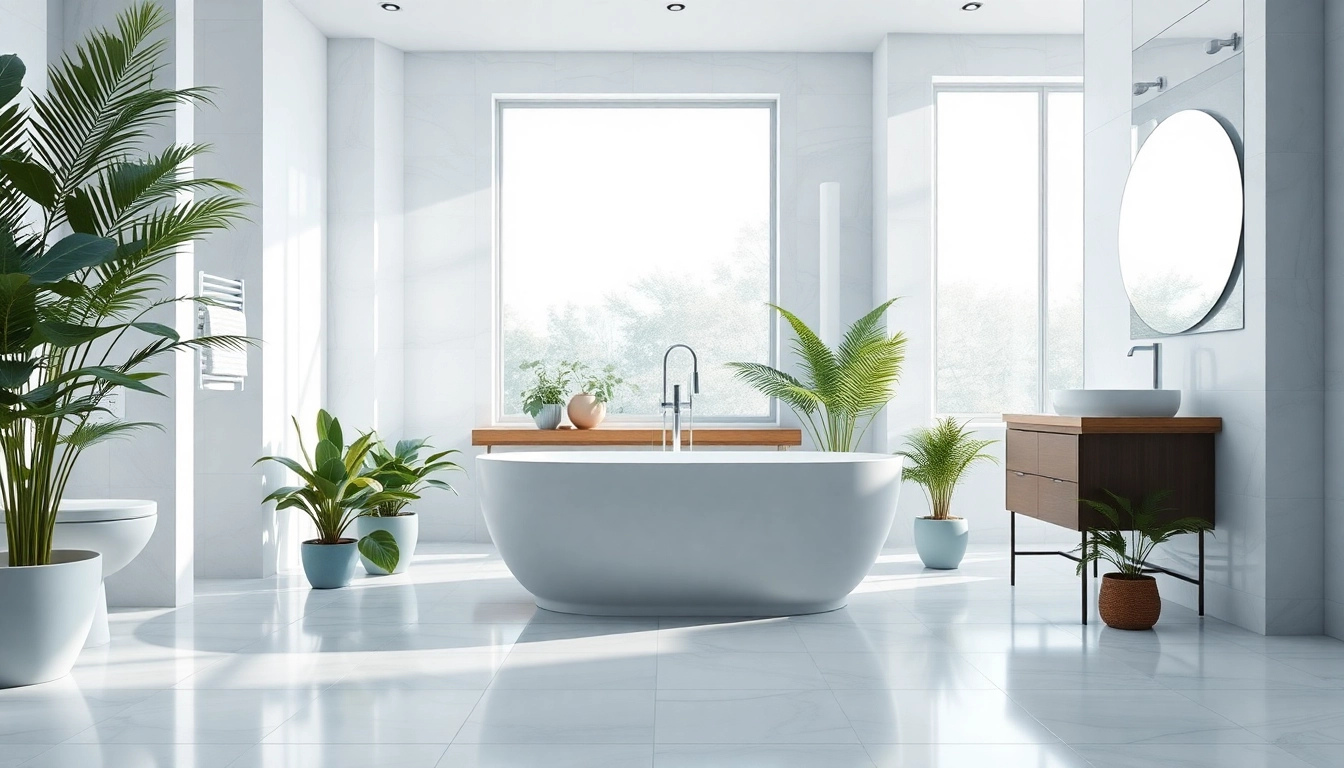
Understanding the Basics of Bathroom Remodeling Near Me
When contemplating a home renovation project, the bathroom often becomes a focal point for homeowners seeking comfort, functionality, and style. A well-executed bathroom remodel can elevate the entire ambiance of your home and potentially increase its value. If you’re searching for bathroom remodeling near me, understanding the fundamentals of the process will empower you to make informed decisions.
What Is Bathroom Remodeling?
Bathroom remodeling refers to the process of renovating or updating the fixtures, layout, and overall aesthetics of a bathroom. This can range from small adjustments, such as changing faucets and sinks, to extensive overhauls that involve reconfiguring the space, expanding square footage, or even altering plumbing and electrical lines. The ultimate goal of bathroom remodeling is to improve both the functionality and visual appeal of the space.
Key Considerations for Your Bathroom
As you begin to navigate the waters of bathroom remodeling, several factors should influence your design decisions:
- Space Utilization: Assess how the available space is currently used and how it can be optimized for better flow and accessibility.
- Functionality: Consider what features you use most often and how they can be enhanced. Will more storage be beneficial? Is a double vanity more practical for your household needs?
- Style: Decide on a design direction that resonates with your preferences, whether that’s modern, traditional, or something uniquely in between.
- Materials: Choose durable materials that can withstand moisture and daily use, such as porcelain tile, solid wood, or quartz countertops.
Planning Your Budget Effectively
Setting a realistic budget is crucial for a successful bathroom remodel. Start by determining how much you are willing to spend, then create a detailed budget that factors in all potential costs:
- Labor Costs: Account for the cost of hiring professionals, which may include contractors, electricians, and plumbers.
- Materials: Factor in the cost of all materials needed, from flooring to fixtures.
- Unexpected Expenses: Always leave a buffer for surprises that may arise during renovations, generally about 10-15% of your overall budget.
Choosing the Right Style for Your Bathroom
Popular Bathroom Design Trends
The aesthetics of your bathroom can deeply influence its overall atmosphere. Here are some popular trends to consider:
- Minimalism: Characterized by clean lines, neutral colors, and clutter-free spaces.
- Vintage Charm: Incorporating vintage fixtures and retro tiles for a timeless look.
- Nature-Inspired: Using earthy tones and natural materials, such as wood and stone, to create a calming oasis.
- Smart Bathrooms: Integrating technology for improved functionality, such as smart mirrors and voice-activated lighting.
How to Mix and Match Styles
Combining different styles can lend your bathroom a unique character. Here’s how to balance aesthetics:
- Choose a Dominant Style: Select one primary style to anchor your design.
- Incorporate Accents: Use elements from other styles as accents, such as vintage décor in a modern bathroom or contemporary art in a rustic space.
- Use a Unified Color Palette: Maintain harmony with a cohesive color scheme that ties mixed styles together.
Color Schemes That Bring Life
A thoughtful color palette can significantly enhance your bathroom’s atmosphere. Popular combination options include:
- Monochromatic: Different shades of a single color to provide depth.
- Contrasting Colors: Pairing opposite colors can create striking visual interest.
- Earth Tones: Warm and comforting colors that evoke a sense of tranquility.
Essential Fixtures and Features
Must-Have Bathroom Essentials
Equipping your bathroom with essential fixtures is vital to enhance its functionality:
- Quality Faucets: Choose durable and stylish faucets that can withstand wear.
- Efficient Toilets: Opt for water-saving models that also provide comfort and performance.
- Shower Systems: Consider walk-in showers or soaking tubs as focal points of relaxation.
Choosing Energy-Efficient Options
Adopting energy-efficient solutions can lower utility bills and contribute to sustainability. Key options include:
- Water-Efficient Fixtures: Install low-flow faucets and showerheads to conserve water.
- LED Lighting: Use energy-efficient lighting to reduce electricity costs and extend bulb life.
- Insulation: Properly insulating pipes and walls helps maintain temperature, saving energy.
Lighting Ideas for Your Space
Effective lighting can transform your bathroom, enhancing both functionality and ambience:
- Layered Lighting: Combine ambient, task, and accent lighting for a well-lit space.
- Sconces and Mirrors: Use sconces beside mirrors to minimize shadows while applying makeup.
- Dimmer Switches: Consider installing dimmer switches to adjust lighting according to your needs.
Working with Professionals for Bathroom Remodeling Near Me
Finding the Right Contractor
Choosing the right contractor is paramount to a successful remodel. Start with these steps:
- Research: Look for local contractors specializing in bathroom remodeling.
- Check Reviews: Read customer reviews on platforms to gauge reliability and quality.
- Get Recommendations: Ask friends or family about contractors they have worked with.
Questions to Ask Potential Remodelers
When interviewing contractors, it’s crucial to ask relevant questions to ensure they align with your vision:
- What is your experience with bathroom remodels?
- Can you provide references from previous clients?
- What is your estimated timeline for the project?
- Do you have liability insurance and licenses?
How to Avoid Common Pitfalls
Many homeowners face common challenges during bathroom renovations. Here’s how to avoid them:
- Lack of Planning: Always plan every aspect of the remodel before starting.
- Overextending Budgets: Monitor expenses closely to avoid going over budget.
- Not Considering Functionality: Ensure that all design choices enhance usability.
Maintaining Your Newly Remodeled Bathroom
Quick Tips for Upkeep
To preserve the beauty and functionality of your remodeled bathroom, regular maintenance is essential:
- Regular Cleaning: Use non-abrasive cleaners to prevent damage to surfaces.
- Avoid Water Accumulation: Ensure proper ventilation to help reduce mold and mildew.
- Check for Leaks: Regularly inspect plumbing fixtures for leaks and address them promptly.
Signs Your Bathroom Needs Attention
Be aware of red flags that indicate it’s time for a remodel or repair:
- Water Damage: Look for stains, discoloration, or swelling in fixtures and walls.
- Outdated Fixtures: If your bathroom feels dated or isn’t functioning well, it might need an update.
- Poor Lighting: If the bathroom lacks adequate lighting, consider changing fixtures or layout.
Long-Term Care Strategies
Implementing long-term care strategies can extend the life of your remodeled bathroom:
- Sustainable Materials: Choose materials that require less frequent replacement and are easy to maintain.
- Routine Inspections: Schedule annual inspections to catch potential issues early.
- Regular Updates: Refresh paint or wallpaper every few years to keep the space looking fresh.
Frequently Asked Questions
What is the average cost of bathroom remodeling?
The average cost varies significantly based on size and materials but can range from a few thousand to over ten thousand dollars.
How long does a bathroom remodel take?
A typical bathroom remodel can take anywhere from a few weeks to a couple of months, depending on the complexity of the project.
Can I remodel my bathroom myself?
Yes, DIY bathroom remodeling is possible, but it requires significant skills and knowledge. Hiring professionals is advisable for complex tasks.
What types of flooring are best for bathrooms?
Water-resistant materials like porcelain tile, vinyl, and natural stone are excellent choices for bathroom flooring due to their durability and aesthetic appeal.
How can I make my small bathroom feel larger?
Use light colors, strategic mirrors, and space-saving fixtures to create an illusion of a larger area in a small bathroom.