
Mastering the Art of Sports Broadcasting: Strategies for Success
Understanding the Fundamentals of Sports Broadcasting
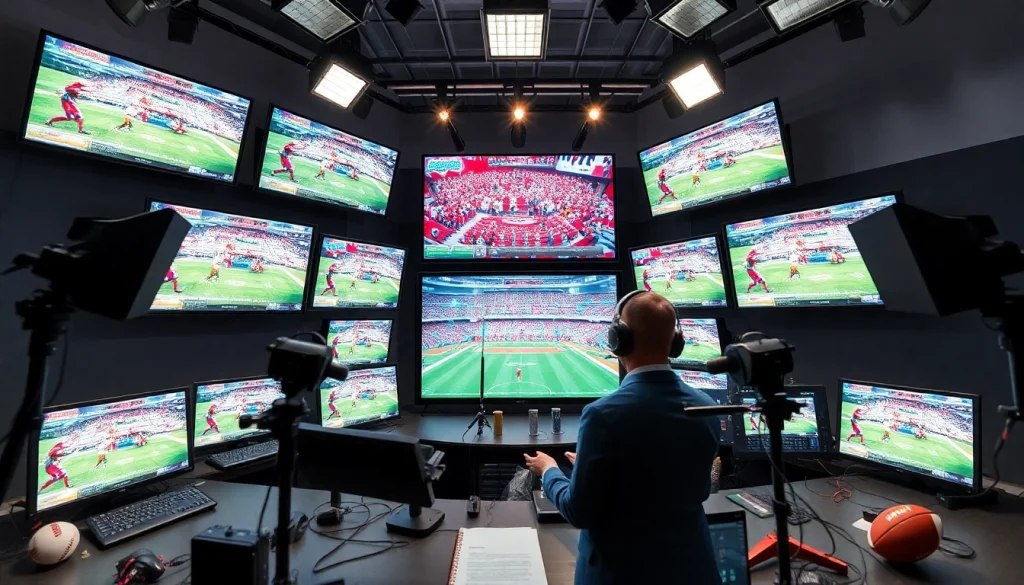
Sports broadcasting has evolved into a dynamic and multifaceted industry, moving beyond simple game commentary to include a variety of engaging content formats. At its core, Sports Broadcasting involves delivering live or recorded sports events to fans through various media platforms, including television, radio, and online streaming. Understanding the fundamentals of this art form is vital for aspiring broadcasters aiming to excel in a crowded market.
The Role of a Sports Broadcaster
The role of a sports broadcaster is critical in shaping how audiences experience and perceive sporting events. Broadcasters serve as storytellers, analysts, and entertainers, curating content that resonates with viewers and enhances their understanding of the game. Beyond merely relaying play-by-play commentary, sports broadcasters analyze strategies, provide context on player performances, and share insights into the culture surrounding the sport. This multifaceted engagement keeps audiences invested and informed, whether they are casual viewers or hardcore fans.
Key Challenges in Sports Broadcasting
Despite its appeal, sports broadcasting comes with numerous challenges. For one, the fast-paced nature of live sports often requires quick decision-making and adaptability. Broadcasts must also stand out in a saturated market with countless options available to viewers. The presence of social media and instant feedback channels means broadcasters must be prepared to face real-time scrutiny from audiences, requiring them to handle criticism gracefully. Additionally, technological glitches and other unforeseen events can disrupt broadcasts, adding another layer of complexity to the role.
Key Skills Required for Success
To thrive in sports broadcasting, certain skills are non-negotiable. Among them, strong communication capabilities are paramount, allowing broadcasters to convey information clearly and dynamically. An in-depth knowledge of various sports is also essential, as this familiarity aids in providing insight and analysis. Furthermore, broadcasters must possess analytical skills for interpreting game statistics and trends. Finally, the ability to engage with audiences through relatability and charisma elevates a broadcaster’s effectiveness, making content more enjoyable and accessible to viewers.
Technology in Sports Broadcasting
The influence of technology on sports broadcasting cannot be overstated. From the equipment used to capture games to the software that disseminates content, advancements in technology have transformed how sports stories are told and consumed.
The Equipment You Need
The current landscape of sports broadcasting relies heavily on advanced equipment to ensure high-quality transmission and viewer engagement. Essential tools include high-definition cameras, audio equipment, and teleprompters. For remote broadcasts, portable equipment like drones and mobile cameras can capture unique angles and provide viewers with immersive experiences. Moreover, satellite technology enables broadcasters to reach a global audience, thereby broadening the scope of content delivery.
Staying Updated with Innovations
With technology evolving at a rapid pace, broadcasters must stay informed about the latest innovations to remain competitive. This includes leveraging advancements like augmented reality (AR) and virtual reality (VR) to create interactive content experiences. By integrating these technologies, broadcasters can provide viewers with more engaging insights and enhance their immersion in the sports experience. Additionally, adopting advancements in video streaming, evoking instant replays and enhanced analytics, can significantly improve viewer satisfaction.
Broadcasting Software and Tools
Various software tools play a crucial role in sports broadcasting, from video editing platforms to audience analytics software. Editing tools allow broadcasters to create compelling highlight reels and analysis segments that keep viewers engaged long after the live event has concluded. Similarly, analytics software helps broadcasters understand audience preferences and metrics, enabling them to tailor their programming effectively. Tools for social media management are also vital in broadcasting today, helping to foster community engagement and instant communication with fans.
Creating Compelling Sports Content
The essence of successful sports broadcasting lies in the creation of compelling content that resonates with viewers. A broadcaster’s ability to engage audiences and evoke emotions determines the impact of the broadcast.
Engaging Your Audience
Engagement is key in sports broadcasting, and it begins with understanding what captivates the audience’s interest. Broadcasters must present content that is not only informative but also entertaining. This could include behind-the-scenes stories, player interviews, and fan interactions. Using interactive features such as polls or Q&A sessions during broadcasts can also foster viewer involvement, making them feel part of the sports experience.
Utilizing Storytelling Techniques
Storytelling is fundamental in sports communication, as it helps contextualize the events happening on the field. By framing games as narratives—with climaxes, conflicts, and resolutions—broadcasters can create a compelling viewing experience. Highlighting athlete journeys, team dynamics, and pivotal moments during games allows broadcasters to connect emotionally with audiences, turning routine broadcasts into memorable experiences.
Incorporating Viewer Feedback
Modern sports broadcasting must be adaptable, and incorporating viewer feedback is an effective way to enhance programming. For instance, broadcasters can utilize social media platforms to gather real-time reactions and preferences from audiences during live events. By analyzing this feedback, they can adjust their content, focus, and presentation styles to better meet the interests of their viewership, fostering a more loyal audience base.
Navigating Legal and Ethical Issues in Sports Broadcasting
Sports broadcasting is fraught with legal and ethical challenges, requiring broadcasters to adhere to regulations and moral standards alike.
Understanding Copyright Laws
Copyright laws are a critical aspect of sports broadcasting, particularly when it comes to using footage, images, and sound bites. Broadcasters must ensure that they have the proper licenses to use certain content, as unauthorized use could lead to legal disputes. This includes understanding licensing agreements for games, highlights, and promotional materials. Awareness and compliance can protect broadcasters from potentially damaging lawsuits.
Addressing Ethical Dilemmas
Broadcasters often face ethical dilemmas concerning how to portray events and individuals involved in sports. The responsibility to report truthfully while also maintaining viewer interest can create tensions. Ethical reporting should involve giving fair coverage not only of victories but also of losses and controversies. Balancing sensationalism with integrity is crucial for maintaining credibility and trust among audiences.
Best Practices for Compliance
To navigate the complex legal landscape, broadcasters should familiarize themselves with sports law and seek professional legal advice when necessary. Maintaining transparency with audiences, particularly about sponsorships and partnerships, is essential. Broadcasters should also develop clear internal policies that set standards for ethical reporting and compliance to fortify their reputation and ensure adherence to legal requirements.
Measuring Success in Sports Broadcasting
Success in sports broadcasting is not purely defined by viewership numbers; it encompasses a wide range of metrics that signify audience engagement and satisfaction.
Key Metrics to Track
Several metrics can help broadcasters measure success effectively. Audience ratings provide a snapshot of how many viewers are watching a broadcast, while engagement metrics—such as social media interactions and website traffic—indicate how involved audiences are with the content. Other important metrics include viewer retention rates and demographic insights, which help broadcasters understand their target audience more comprehensively.
Utilizing Audience Analytics
Audience analytics tools allow broadcasters to gain deeper insights into viewer behaviors and preferences. By studying metrics such as viewership trends, peak watching times, and audience demographics, broadcasters can tailor their content more effectively. Consistent analysis of this data provides a competitive edge, enabling broadcasters to stay relevant and adapt their strategies in real time.
Continuous Improvement Strategies
The landscape of sports broadcasting is always changing, making continuous improvement essential for long-term success. Broadcasters should create feedback loops that allow them to assess performance regularly. This can involve surveys, focus groups, or direct audience outreach to understand what is working and what needs adjustment. Implementing lessons learned from these assessments fosters a culture of innovation and responsiveness that can enhance overall broadcast quality.
Frequently Asked Questions
What is sports broadcasting?
Sports broadcasting involves delivering live or recorded sports events to an audience via television, radio, or online platforms, enhancing the viewing experience.
What skills are important for a sports broadcaster?
Key skills include strong communication, in-depth sports knowledge, analytical capabilities, and the ability to engage and connect with audiences effectively.
How does technology impact sports broadcasting?
Technology enhances viewer experience through high-definition visuals, real-time statistics, and interactive content, making broadcasts more engaging and informative.
What legal considerations exist in sports broadcasting?
Legalities include understanding copyright compliance, licensing agreements, and adhering to broadcasting regulations to avoid legal complications.
How do I measure the success of sports broadcasting?
Success can be measured through audience ratings, engagement metrics, viewer feedback, and the overall reach and impact of broadcasts on the audience.