Mastering Power Flush Techniques: Essential Guide for 2025
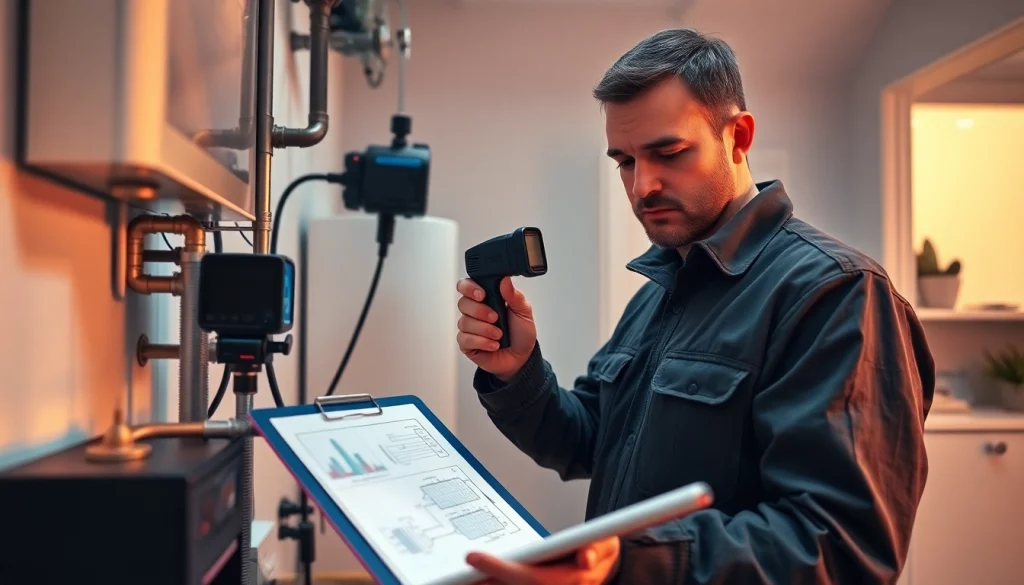
Understanding Power Flush: What It Is and Why It Matters
Power flushing is becoming an increasingly crucial aspect of maintaining the efficiency of heating systems in homes. This process involves using high-velocity water to remove sludge, rust, and debris from your central heating system, ensuring that it operates at optimal efficiency. If neglected, these blockages can lead to increased energy costs, poor heating performance, and even complete failure of the heating system. As such, understanding the importance of power flushing is essential for homeowners looking to maintain a safe and efficient living environment. When exploring options, power flush provides comprehensive insights into enhancing your heating system’s longevity and performance.
Definition and Purpose of Power Flushing
At its core, power flushing is a method of cleaning central heating systems. It employs a specialized pump to circulate water at high velocity, dislodging accumulated debris like rust and sludge that can hinder the flow of water through pipes and radiators. The primary goal of power flushing is to restore the efficiency of the heating system, improve heat distribution, and extend the overall lifespan of the components involved.
Benefits of Performing a Power Flush
There are numerous benefits associated with regular power flushing, including:
- Improved Efficiency: By removing blockages, power flushing allows water to circulate more freely, enhancing the system’s overall efficiency and reducing energy bills.
- Increased Heat Output: Radiators will heat up more efficiently, resulting in a more comfortable home environment.
- Extended Appliance Lifespan: Keeping your heating system free of debris minimizes wear and tear on components, prolonging their life.
- Reduced Maintenance Costs: Regular flushing can help prevent costly repairs down the line by addressing issues before they escalate.
Common Issues Addressed by Power Flushing
Power flushing can effectively tackle various issues within a heating system, such as:
- Cold Spots on Radiators: If certain areas of a radiator remain cold while others heat up, this often indicates a blockage.
- Frequent Boiler Shutdowns: Sludge buildup can cause boilers to overheat, leading to unexpected shutdowns.
- Increased Energy Bills: If your heating costs are steadily rising, an inefficient system may be to blame.
The Power Flush Process: Step-by-Step Guide
Preparing for a Power Flush: Tools and Techniques
Before commencing a power flush, it’s essential to gather the right equipment. Generally, you will need:
- A power flushing machine to generate the necessary pressure.
- Appropriate chemicals to help dissolve sludge and improve cleaning effectiveness.
- Hoses and adapters for connecting the flushing machine to your heating system.
- Pressure gauges to monitor system pressure levels throughout the process.
Executing the Power Flush: Key Steps to Follow
The power flush process involves several key steps:
- Isolate the heating system by shutting off the boiler and any connected pumps.
- Attach the power flushing machine to the system using the appropriate hoses and connectors.
- Introduce fresh water and flushing chemicals into the system, ensuring they mix adequately.
- Run the flush, allowing high-velocity water to displace sludge and debris. Monitor pressure gauges to ensure safe operation.
- Once the flush is complete, remove the flushing machine, reconnect the heating system, and top up with water if necessary.
Post-Flush Protocol: Ensuring System Efficiency
After completing a power flush, it’s vital to follow up with a few best practices:
- Check for leaks in the system before turning the boiler back on.
- Monitor the performance of your heating system to ensure it operates efficiently.
- Consider scheduling regular flushes every 3-5 years, depending on usage and system age.
Choosing the Right Time for a Power Flush in Your Home
Signs Indicating the Need for a Power Flush
Several signs may indicate your heating system requires a power flush:
- Cold spots on radiators.
- Noisy boiler operations.
- Frequent need for boiler repairs or maintenance.
- Increased heating costs.
Seasonal Considerations for Heating Systems
Timing your power flush can also depend on the seasons:
- It’s best to schedule power flushing in late summer or early autumn when heating demand is low.
- Avoid scheduling during peak winter months to prevent disruption to your heating supply.
Frequency of Power Flushing for Optimal Performance
While the need for power flushing varies based on individual systems, a good rule of thumb is to conduct a flush every 3 to 5 years. However, if your system experiences issues more frequently, you may need to reassess your flushing schedule.
Costs and Considerations: Budgeting for a Power Flush
Typical Costs of Power Flushing Services
The cost of professional power flushing services can vary based on the size of your home and the complexity of the system. Here are some typical ranges:
- Small flats: £300 – £400
- Medium houses: £400 – £600
- Large houses: £600 – £800
- Very large properties: £800+
DIY vs. Professional Services: Pros and Cons
Many homeowners ponder whether to tackle a power flush themselves or hire professionals:
- DIY Pros: Cost savings, control over timing.
- DIY Cons: Potential for improper technique, lack of effectiveness, and risk of damage.
- Professional Pros: Expertise and efficiency, guaranteed results.
- Professional Cons: Higher costs compared to DIY.
How to Choose a Qualified Technician for Power Flushing
To find a credible technician for power flushing, consider the following:
- Check for certifications and industry experience.
- Read online reviews and customer testimonials.
- Request quotes from multiple providers to compare services and prices.
Future Trends in Power Flushing Technology
Emerging Innovations in Leak Detection and Power Flushing
The power flushing industry is evolving with advancements in technology. Innovations such as automated flushing machines and real-time monitoring systems are enhancing efficiency and ease of use. These developments not only make the process more effective but also reduce the time required for completion.
Environmental Impact of Efficient Power Flushing
As environmental concerns grow, efficient power flushing practices can significantly reduce water waste, helping homeowners implement sustainable practices. By maximizing heating efficiency, less energy is consumed, contributing to lower carbon footprints.
Preparing for Changes in Industry Standards by 2025
With ongoing advancements in plumbing standards, homeowners should prepare for increased regulations governing power flushing practices by 2025. Staying informed about these changes will help ensure compliance and promote best practices in home maintenance.