Enhance Your Home with Flyscreenmaxx: Practicality Meets Style
Understanding Flyscreenmaxx: The Essential Guide
When it comes to creating a comfortable and pest-free living environment, Flyscreenmaxx stands out in providing practical solutions tailored to modern homes. Flyscreens serve as protective barriers against insects while allowing fresh air to circulate, making them a desirable feature in many households. In this guide, we’ll delve into the fundamentals of flyscreens, their benefits, common materials, and how they can enhance your home.
What are Flyscreens?
Flyscreens, also known as insect screens, are mesh panels that can be placed on windows and doors. They are designed to keep insects and other pests out while still allowing air to flow freely into your living spaces. The mesh typically consists of metal or synthetic fibers, with variations in weave to optimize airflow and visibility. Flyscreens can be fixed or retractable, catering to diverse user preferences and architectural requirements.
Benefits of Using Flyscreenmaxx
Opting for Flyscreenmaxx offers several benefits that enhance your home’s comfort and efficiency:
- Insect Protection: One of the most significant advantages is the prevention of flies, mosquitoes, and other insects from entering your home, safeguarding your health and peace of mind.
- Improved Ventilation: Flyscreens facilitate natural airflow, reducing reliance on air conditioning and improving indoor air quality.
- Energy Efficiency: By ventilating your home without allowing pests inside, Flyscreenmaxx helps maintain a comfortable temperature, leading to reduced energy costs.
- Aesthetic Appeal: Flyscreenmaxx products come in various styles that complement your home’s architecture, enhancing its overall look.
- Enhanced Privacy: Depending on the mesh design, flyscreens can obscure views from the outside, adding a layer of privacy to your living spaces.
Common Materials Used
Flyscreens may be constructed from various materials, each offering unique properties. Understanding these materials can help you make an informed decision:
- Fiberglass: Lightweight and flexible, fiberglass screens are resistant to corrosion and easy to install. They provide excellent visibility and airflow.
- Aluminum: Strong and durable, aluminum screens can withstand harsh weather conditions. Although they may bend under stress, they offer a long lifespan.
- Stainless Steel: For maximum security, stainless steel screens provide excellent durability and resistance to rust, often used in high-end applications.
- Pet Screens: Specifically designed for homes with pets, pet screens are made from heavier materials to withstand scratches and tears.
How to Choose the Right Flyscreen
Choosing the right flyscreen involves careful consideration of various factors, including your specific needs, space, and style preferences. Here’s how to ensure you make the best choice.
Assessing Your Space
Before selecting a flyscreen, assess your home’s design and the areas where you’ll use the screens. Consider aspects such as:
- Window/Door Sizes: Measure the dimensions precisely to guarantee a good fit. Different window types may require custom sizes.
- Traffic Patterns: Identify which areas experience more foot traffic to determine whether you need retractable or permanent screens.
- Architectural Style: Ensure the flyscreen design aligns with the overall aesthetic of your home.
Material Considerations
Once you’ve assessed your space, focus on material selection. Each option presents various pros and cons:
- Weather Resistance: Choose materials that can withstand local weather conditions, particularly if you live in a storm-prone area.
- Durability: If you have pets or children, opt for sturdier screens to minimize damage.
- Maintenance: Consider your willingness to maintain the screens; some materials require regular upkeep compared to others.
Style Options Available
Flyscreens come in versatile styles, ensuring a perfect match with your home decor:
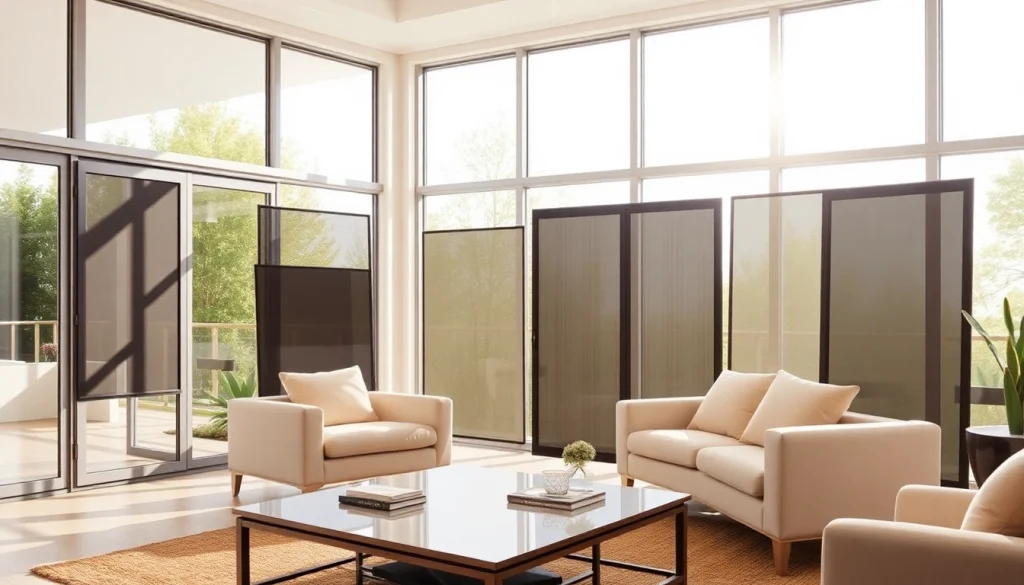
- Sliding Screens: Ideal for patio doors, these screens slide open and closed, allowing easy access.
- Fixed Screens: These are permanently mounted, providing a durable solution for seldom-used windows.
- Retractable Screens: Perfect for those who want functionality without permanence, these screens roll up when not in use.
- Magnetic Screens: Easy to install and remove, magnetic screens provide a simple way to keep insects out while allowing easy access.
Installation and Maintenance Tips for Flyscreenmaxx
Proper installation and maintenance of your flyscreen are crucial for long-term performance and durability. This section outlines essential steps and tips.
DIY Installation Steps
If you decide to install your Flyscreenmaxx yourself, follow these straightforward steps:
- Gather Tools: You’ll typically need a screwdriver, measuring tape, and possibly a saw for custom work.
- Measure the Area: Take accurate measurements of your window or door frame to ensure a perfect fit.
- Cut the Screen to Size: If needed, cut the screen material according to your measurements, allowing for edges to adhere properly.
- Attach the Frame: Secure the frame to the window or door area using screws or adhesive, depending on the type of screen.
- Fit the Mesh: Attach the mesh to the frame, ensuring no gaps exist for pests to enter.
Regular Maintenance Checks
To maintain the effectiveness of your flyscreen, it’s important to conduct regular checks:
- Cleaning: Clean your screens periodically to prevent dirt buildup, which can obstruct airflow and visibility.
- Inspecting for Damage: Regularly check for tears, holes, or wear and promptly repair to avoid pest infiltration.
- Functionality Tests: Ensure retractable or sliding mechanisms work smoothly and without obstruction.
Common Issues and Solutions
While flyscreens are effective, issues may arise. Here are some common problems and their solutions:
- Wear and Tear: Replace damaged sections or the entire screen if repair isn’t viable.
- Frame Misalignment: Realign frames that have shifted, ensuring a snug fit against openings.
- Difficulty Opening/Closing: Lubricate moving parts and remove any debris obstructing mechanisms.
Maximizing the Benefits of Flyscreens in Your Home
Flyscreens are not just a shield against bugs; they can significantly enhance your living environment. Let’s explore how to maximize these benefits.
Energy Efficiency through Flyscreenmaxx
Flyscreens contribute to energy efficiency by:
- Allowing cross-ventilation during warmer months to reduce air conditioning needs.
- Regulating indoor temperatures by keeping warm air out in summer and allowing heat retention in winter.
Improving Indoor Comfort
Beyond insect prevention, flyscreens help maintain indoor comfort by:
- Promoting better airflow, which can mitigate stuffiness.
- Reducing humidity levels, thereby minimizing mold growth and allergens.
Enhancing Home Aesthetics
Flyscreens can complement your home’s design significantly:
- Available in various colors and designs to match window frames and doors.
- Can be custom-designed to feature specific patterns or additional features like UV filtering.
Frequently Asked Questions About Flyscreenmaxx
What is the lifespan of Flyscreenmaxx?
The lifespan typically ranges from five to ten years, depending on factors like material, maintenance, and environmental exposure.
Can Flyscreenmaxx reduce insect entry?
Yes, properly installed Flyscreenmaxx can significantly minimize insect entry while allowing air to flow freely.
Are Flyscreenmaxx easy to clean?
Yes, most Flyscreenmaxx materials can be cleaned with soap and water. Regular maintenance ensures optimal performance.
What styles do Flyscreenmaxx offer?
They offer various styles, including fixed, retractable, sliding, and magnetic screens, catering to different needs and preferences.
Is professional installation recommended?
While DIY installation is possible, professional installation is recommended for complex configurations to ensure a perfect fit and function.